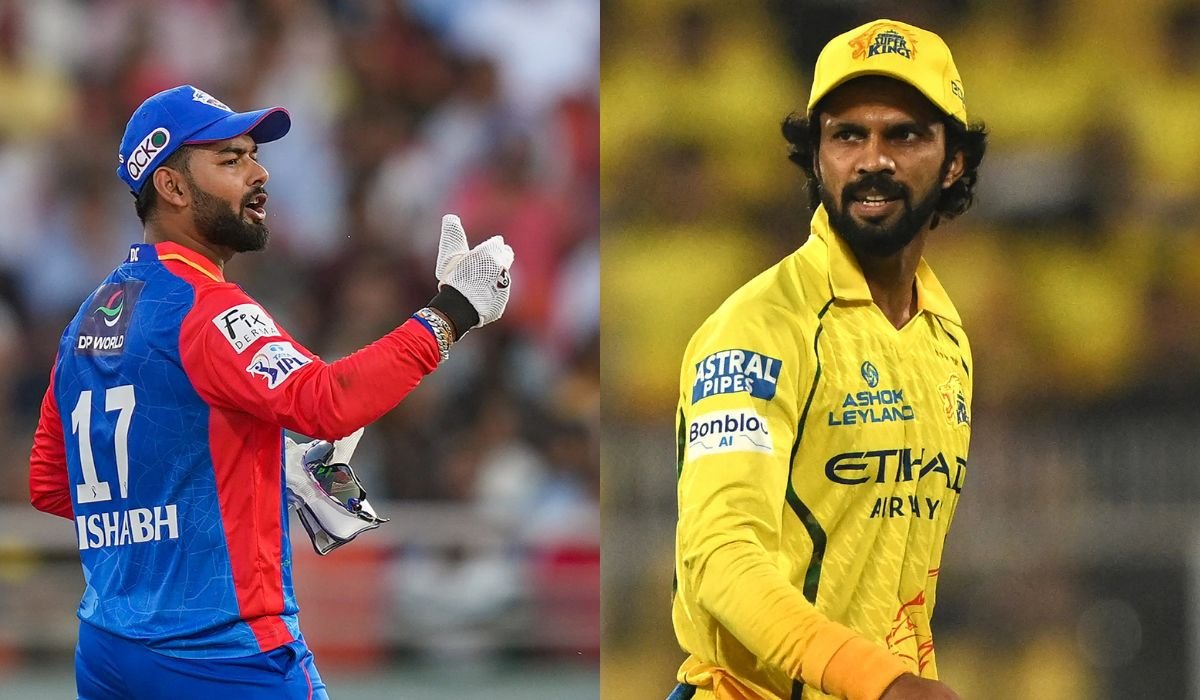

Every cricket season, thousands of fans take leave from work, grab last-minute train tickets, or pile into a car for a six-hour drive just to catch one match in person. There’s something about sitting in the stadium, feeling the crowd rise before a boundary, that no TV broadcast can copy. But turning a match into an actual trip takes more planning than most people expect, especially when the venue isn’t in your home city.
Pick the match before you pick the destination
It may seem obvious, but one of the biggest mistakes cricket fans make is booking a destination first and looking for match tickets afterward. Domestic leagues and international series often announce fixtures months ahead, while venues and ticket-sale windows may only be confirmed a few weeks before the match. Check the official schedule, identify the stadiums hosting the games you want to watch, and plan your trip around the confirmed match date rather than making a general plan to watch cricket. You can also use the iOS app and Android app to stay updated with match schedules, scores, and important cricket information while planning your trip.
If your dates are flexible, weekday matches are usually easier to get into and cheaper to travel for than weekend fixtures, which can be tough to secure tickets for in high-demand cities like Mumbai, Bengaluru, or Kolkata.
Booking travel and stay around match days
Hotel prices near major stadiums tend to climb noticeably during marquee fixtures, sometimes quite sharply in the days leading up to the match. If budget matters to you, book accommodation as soon as the fixture and ticket sale dates are confirmed, not after you’ve already got your tickets sorted. A few practical points worth remembering:
- Stay within a short auto or metro ride of the stadium; traffic around match days can turn a 20-minute drive into 90 minutes.
- Trains and flights on match-day weekends fill up fast with fans travelling in from neighbouring states, so book at least two to three weeks out where possible.
- Keep a printed or offline copy of your ticket and ID; network congestion inside stadiums often makes it hard to pull up digital tickets at the gate.
What to actually carry
Most Indian stadiums restrict outside food, large bags, and glass bottles, while security checks can take considerably longer on major match days. Arriving around two hours early is therefore a practical choice rather than an excessive one. Pack light with essentials such as a cap, sunscreen, a compact power bank, and a clear pouch for your phone and cash. Before heading to the venue, fans can also check Cricket Match Prediction Today to stay informed about the expected match conditions and team performance.
Sitting in the sun through a full day-night fixture is tougher than it looks on television. Carrying an electrolyte sachet or two, instead of relying purely on stadium beverage stalls, is a small habit regular stadium-goers swear by.
Making a day of it beyond the match
A cricket trip doesn’t have to end the moment the last over is bowled. Cities that host major fixtures usually have something worth exploring around the ground itself. Chepauk in Chennai is generally considered close to Marina Beach, Eden Gardens is within reach of College Street’s old bookshops, and the Wankhede in Mumbai puts you within reach of Marine Drive for an evening walk once the crowd thins out.
Some fans build the whole trip around the pre-match and post-match hours rather than the game alone: a heritage walk in the morning, the match in the afternoon, street food in the evening. Treat the fixture as the anchor of the day, not the entire itinerary.
Following the game when you can’t be there
Not every match on the calendar is one you can travel for, and plenty of fans end up tracking a series from home while planning their next away trip. Live scores, ball-by-ball commentary apps, and second-screen viewing have become part of how most people follow cricket between actual stadium visits. Some fans who enjoy a bit of match-day engagement from their seat also keep an eye on the cricket rate for ongoing fixtures as a way to stay involved with the game beyond just watching, though this kind of activity is strictly for adults and should be treated as occasional entertainment rather than anything more serious, with a firm budget decided in advance.
Budgeting the whole trip
A cricket trip carries more moving costs than people account for upfront: tickets, transport, accommodation, food, and the inevitable team merchandise stall right outside the stadium. Setting a total figure before booking anything, and treating the ticket price as just one line item among several, keeps the trip from quietly ballooning into something you never planned for. Fans who manage this well tend to lock in transport and stay first, then work out how much is left for tickets and extras, rather than the other way round.
A short checklist for match-day travel
- Confirm the fixture, venue, and ticket sale date before booking anything else.
- Lock in accommodation early if the match is in a high-demand city.
- Plan arrival at least two hours before gates open for major fixtures.
- Carry ID, printed tickets, and minimal bag contents to clear security faster.
- Build a small itinerary around the stadium, not just the match itself.
Watching a match in person changes how you follow the sport for the rest of the season. The travel logistics take some effort, but fans who plan even a week ahead usually find the trip runs far more smoothly than those who wing it and hope for the best at the gate. For regular match updates, schedules, and cricket-related information before and during the trip, fans can also follow the Telegram channel.